

As a trusted supplier of Brake Wheels, I've had the privilege of witnessing the critical role these components play in various industries. Electric brake wheels are a marvel of engineering, combining precision, reliability, and efficiency to ensure safe and effective braking in numerous applications. In this blog, I'll delve into the inner workings of an electric brake wheel, exploring its components, operation, and the benefits it offers.
Components of an Electric Brake Wheel
An electric brake wheel is a complex assembly of several key components, each designed to work in harmony to provide reliable braking performance. The primary components of an electric brake wheel include:
- Brake Drum: The brake drum is a large, circular metal component that rotates with the wheel. It serves as the housing for the other brake components and provides the surface against which the brake shoes press to create friction and slow down the wheel.
- Brake Shoes: The brake shoes are curved metal plates lined with friction material. When the brake is applied, the brake shoes are forced against the inner surface of the brake drum, creating friction that slows down the rotation of the wheel.
- Actuator: The actuator is the component that converts electrical energy into mechanical force to apply the brake shoes. In an electric brake wheel, the actuator is typically an electromagnetic coil that, when energized, generates a magnetic field that pulls a lever or piston, causing the brake shoes to move towards the brake drum.
- Adjuster: The adjuster is a mechanism that ensures the brake shoes maintain the proper distance from the brake drum as the friction material wears down. This helps to ensure consistent braking performance over time.
- Backing Plate: The backing plate is a flat metal plate that provides a mounting surface for the brake shoes, actuator, and other components. It also helps to protect the brake components from dirt, debris, and moisture.
How an Electric Brake Wheel Works
The operation of an electric brake wheel can be broken down into several steps:
- Brake Activation: When the driver applies the brakes, an electrical signal is sent to the actuator in the electric brake wheel. This signal energizes the electromagnetic coil, creating a magnetic field.
- Actuator Movement: The magnetic field generated by the energized coil pulls a lever or piston, causing the brake shoes to move towards the brake drum. As the brake shoes come into contact with the inner surface of the brake drum, friction is created, which slows down the rotation of the wheel.
- Braking Force: The amount of braking force generated by the electric brake wheel depends on several factors, including the strength of the magnetic field, the surface area of the brake shoes, and the coefficient of friction between the brake shoes and the brake drum. In general, the stronger the magnetic field and the larger the surface area of the brake shoes, the greater the braking force.
- Release of the Brake: When the driver releases the brakes, the electrical signal to the actuator is cut off, and the magnetic field collapses. This allows the brake shoes to return to their original position, away from the brake drum, and the wheel is free to rotate again.
Benefits of Electric Brake Wheels
Electric brake wheels offer several advantages over other types of braking systems, including:

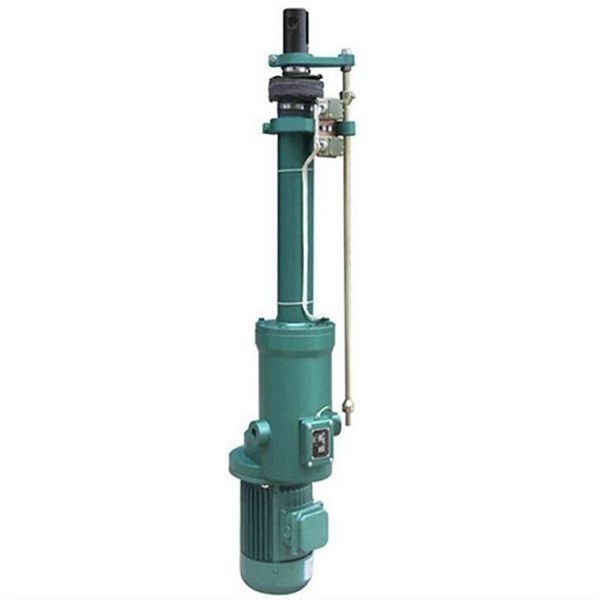
- Precise Control: Electric brake wheels provide precise control over the braking force, allowing for smooth and consistent braking performance. This is particularly important in applications where precise stopping distances are required, such as in industrial machinery and transportation vehicles.
- Reliability: Electric brake wheels are highly reliable and require minimal maintenance. The electromagnetic actuator is a simple and robust component that is less prone to failure than other types of actuators, such as hydraulic or pneumatic systems.
- Energy Efficiency: Electric brake wheels are more energy-efficient than hydraulic or pneumatic braking systems, as they only consume electricity when the brakes are applied. This can result in significant energy savings over time, particularly in applications where the brakes are used frequently.
- Easy Installation: Electric brake wheels are relatively easy to install and can be retrofitted to existing vehicles or machinery with minimal modifications. This makes them a cost-effective solution for upgrading or replacing existing braking systems.
Applications of Electric Brake Wheels
Electric brake wheels are used in a wide range of applications, including:
- Industrial Machinery: Electric brake wheels are commonly used in industrial machinery, such as cranes, hoists, conveyors, and forklifts, to provide reliable and precise braking performance.
- Transportation Vehicles: Electric brake wheels are also used in transportation vehicles, such as trailers, buses, and trucks, to ensure safe and efficient braking. In trailers, electric brake wheels are often used in conjunction with a brake controller, which allows the driver to adjust the braking force based on the load and driving conditions.
- Automotive Industry: Electric brake wheels are increasingly being used in the automotive industry, particularly in electric and hybrid vehicles, to provide regenerative braking. Regenerative braking allows the vehicle to recover energy that would otherwise be lost during braking and use it to recharge the battery, improving the vehicle's energy efficiency.
Related Products
As a Brake Wheel supplier, we also offer a range of related products, including Hydraulic Push Rod and Brake Discs for Industrial Brakes. These products are designed to work in conjunction with our Brake Wheels to provide a complete braking solution for your application.
Contact Us for Procurement
If you're in the market for high-quality Brake Wheels or related products, we'd love to hear from you. Our team of experts can help you select the right products for your application and provide you with competitive pricing and excellent customer service. Whether you're a small business or a large corporation, we have the products and expertise to meet your needs. Contact us today to start the procurement process and take the first step towards enhancing the safety and performance of your equipment.
References
- Automotive Brake Systems Handbook.
- Industrial Braking Technology Manual.